
- Part 60 & Part 75 CEMS Evaluations (RATA, Linearity, CGA)
- PM10 and PM2.5 Testing
- Mercury and CEMS Evaluations
- Mercury Testing
- Dioxin Furan Testing
- Volatile Organic Compound Destruction
- Lead Testing
- Sulfur Dioxide Testing
- Carbon Monoxide and Carbon Dioxide
- HCl, Ammonia, and Fluorides with ISE and FTIR
- NIOSH Methods
- NCASI Methods
Ensuring Regulatory Compliance with Stack Testing
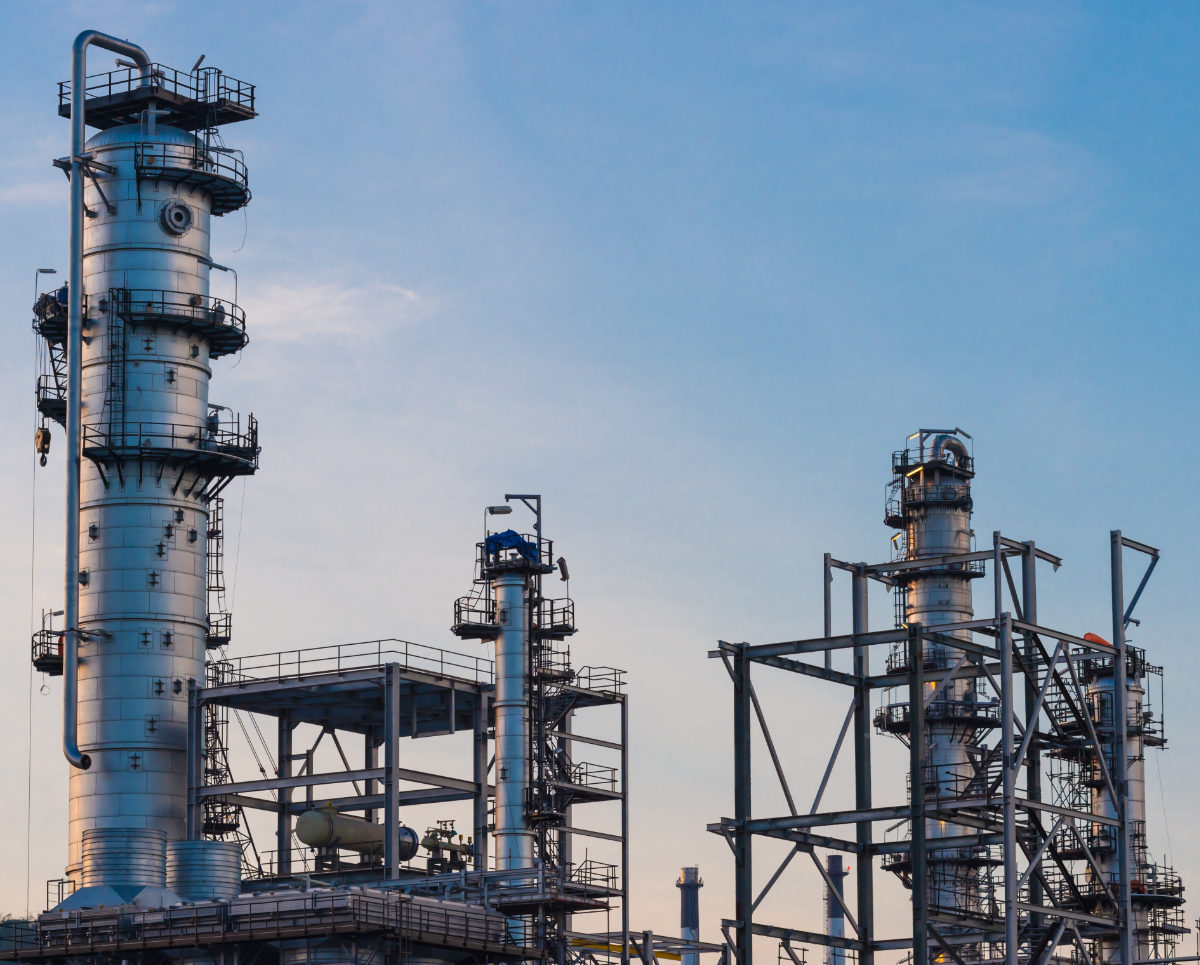
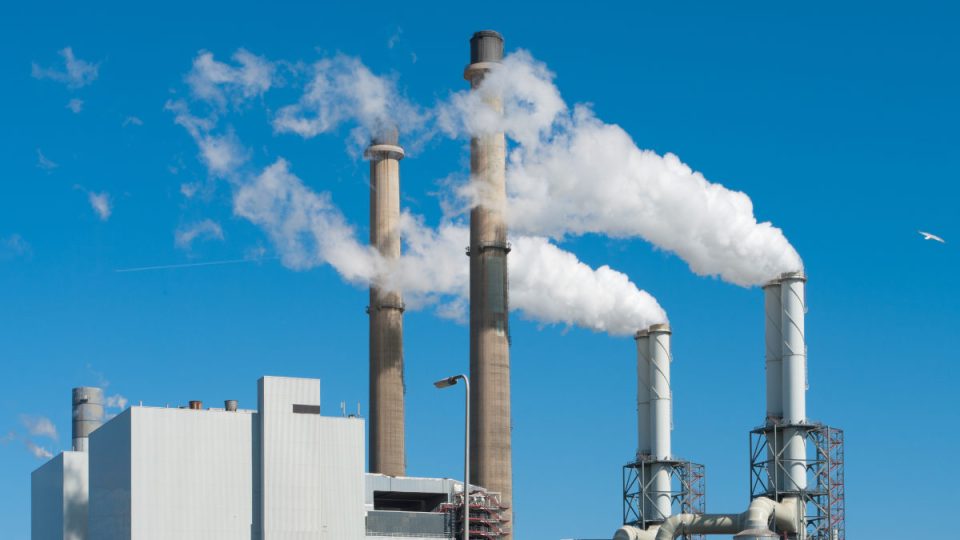
Stack testing services measure the type and quantity of pollutants emitted from an industrial stack or chimney. Examples include particulates, gases, metals, and organic compounds. These tests help determine compliance with environmental regulations like those set by the EPA under the Clean Air Act, particularly when operations involve emissions from manufacturing, chemical processing, power generation, or waste incineration.
By accurately measuring emissions, stack testing helps monitor and reduce pollutants that can harm the environment and public health. Reducing emissions like sulfur dioxide (SO₂), nitrogen oxides (NOₓ), and volatile organic compounds (VOCs) is crucial for clean air and a healthy ecosystem.
Regular stack testing minimizes the risk of non-compliance by catching issues before they escalate. The early detection of emission anomalies helps businesses avoid fines and reputational damage while enabling a proactive approach to compliance management.
Contact Us
Stack Testing to Optimize Operational Efficiency
Many companies understand the basics of stack testing, such as its role in measuring emissions for regulatory compliance. But there are several lesser-known aspects that can impact its effectiveness, cost, and compliance value.
Beyond compliance, stack testing data can provide insights into process efficiency and operational performance. Companies can use this data to identify inefficiencies in fuel use, combustion, or chemical usage, potentially leading to cost savings and emissions reductions. Stack testing results can also reveal excessive emissions, which may indicate malfunctioning equipment, leaks, or the need for maintenance.
Routine Stack Testing for Risk Management
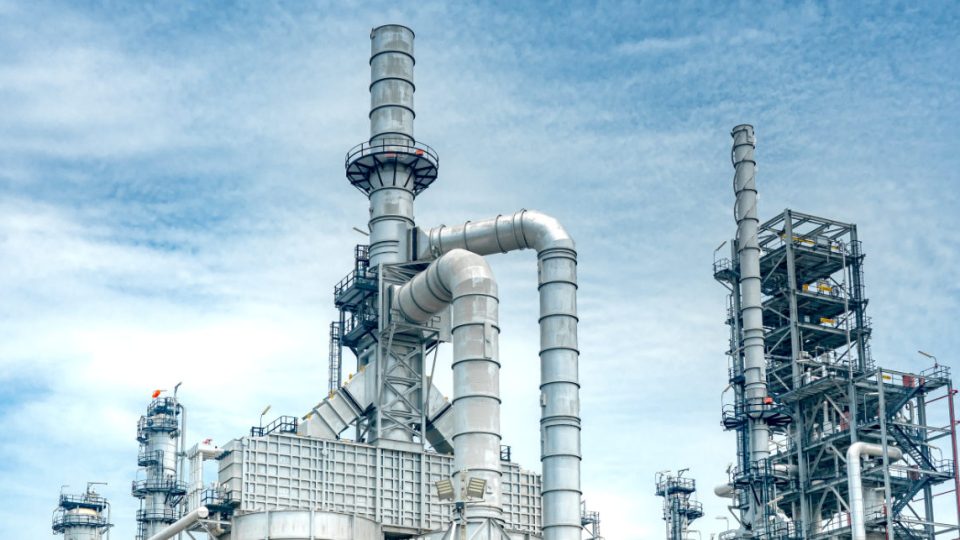
Although some industries only conduct stack testing when required by regulations, regular testing can be a proactive way to monitor compliance. Regular testing helps avoid potential fines and unanticipated shutdowns due to non-compliance. In cases of sudden regulatory changes or scrutiny, companies with consistent testing records may face fewer challenges in demonstrating compliance.
For new facilities, some regions mandate “performance testing” over multiple stages of production to verify emission levels during start-up, standard operation, and under varying loads. Facilities undergoing upgrades or process changes may also need retesting to ensure that new equipment or processes don’t exceed emission limits.
Professional Stack Testing Services
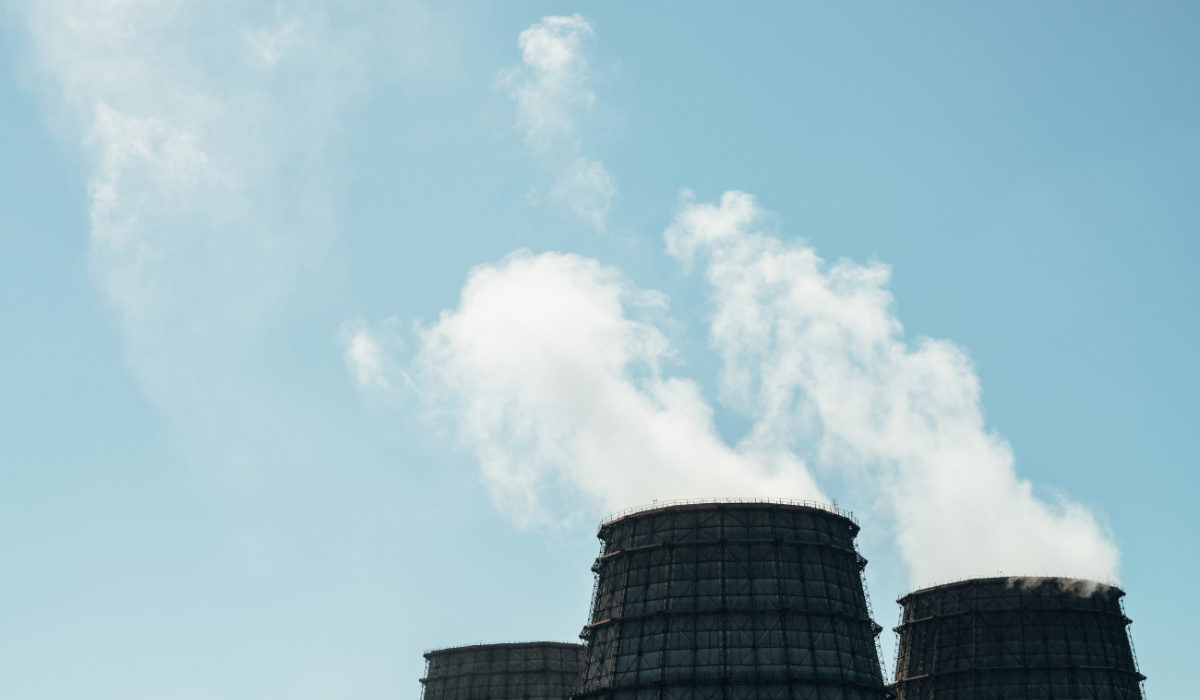
Stack testing requires precise methodologies and adherence to strict sampling protocols. Improper sampling or testing can result in incorrect data, which might lead to compliance violations or fines if emissions appear higher than they are. Ensuring that providers use proper sampling methods and up-to-date equipment can reduce the risk of flawed results.
Certain industries (like pulp and paper or metal smelting) release unique compounds that general stack testing may not detect accurately. Providers with expertise in industry-specific methods (such as NCASI for pulp and paper) can better capture and analyze these pollutants. Using the correct method helps ensure data reliability and accurate reporting, which can influence regulatory decisions or corrective actions.
Part 60 & Part 75 CEMS Evaluations (RATA, Linearity, CGA)
Part 60 & Part 75 CEMS Evaluations are specialized testing procedures mandated by the U.S. Environmental Protection Agency (EPA) for continuous emissions monitoring systems (CEMS). These regulations ensure that facilities consistently meet air quality standards for pollutants by testing the accuracy and reliability of their CEMS equipment.
These evaluations ensure reliable, high-quality emissions data, helping facilities meet stringent EPA standards and avoid costly penalties. Through RATA, Linearity, and CGA checks, companies confirm that their monitoring systems are not only functional but also accurate across a range of conditions.
PM10 and PM2.5 Testing
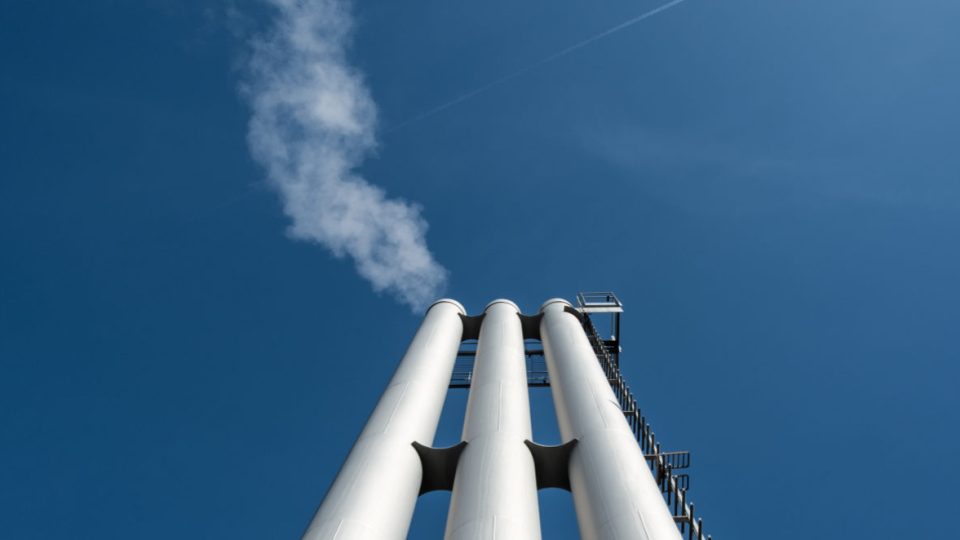
PM10 and PM2.5 testing refers to the measurement of particulate matter in the air, specifically particles with diameters of 10 micrometers (PM10) and 2.5 micrometers (PM2.5) or smaller. These tiny particles can be inhaled deeply into the lungs, posing significant health and environmental risks. Testing for PM10 and PM2.5 is a critical part of air quality monitoring, especially in industries that release fine particles through combustion, manufacturing, and other processes.
Mercury and CEMS Evaluations
CEMS technology plays a vital role in monitoring mercury emissions in real-time, ensuring facilities stay within safe limits and meet regulatory standards. Mercury CEMS evaluations involve the use of advanced equipment and techniques to continuously measure mercury concentrations in emissions.
Mercury CEMS evaluations allow facilities to track emissions data in real time, enabling them to adjust processes immediately if emissions approach regulatory limits. This continuous data stream supports better decision-making, reduces the likelihood of non-compliance, and helps facilities proactively manage their emissions to prevent fines or penalties.

Dioxin Furan Testing
Due to their persistence and ability to bioaccumulate, dioxins and furans are regulated globally, with strict limits on their release to protect environmental and public health. For example, the EU enforces emission limits for dioxins and furans under the Industrial Emissions Directive (IED), with stringent standards for facilities that incinerate waste or conduct high-temperature processes.
Testing for dioxins and furans is a highly specialized process that requires sophisticated equipment to detect these compounds even at extremely low concentrations. High-Resolution Gas Chromatography-Mass Spectrometry (HRGC-MS) is the primary method for accurately quantifying dioxin and furan concentrations in emissions.

Volatile Organic Compound Destruction
For companies that emit VOCs, working with a professional stack testing provider is crucial to ensure that their VOC destruction systems are efficient, compliant, and optimized for operational and regulatory standards.
Efficient VOC destruction systems reduce the risk of leaks, maintenance downtime, and equipment degradation. Regular stack testing ensures these systems operate at peak performance, helping companies reduce costs associated with emissions control while meeting environmental standards.
Lead Testing
Due to lead’s toxicity, many countries enforce strict regulations on lead emissions, especially in industries such as metal smelting, battery manufacturing, waste incineration, and fuel refining. Regulations require companies to conduct routine lead testing and report results to ensure compliance. Violations often result in fines, production halts, or increased regulatory scrutiny.
Isokinetic sampling is widely used for lead testing because it ensures representative sampling of particulates from emissions stacks. The sample is collected at the same velocity as the gas stream, capturing lead particles accurately and preventing bias in measurements.
Inductively Coupled Plasma Mass Spectrometry (ICP-MS) offers highly sensitive detection and quantification of lead at trace levels. For applications where precision is critical, ICP-MS can detect minute concentrations of lead, supporting compliance even with the strictest limits.
Sulfur Dioxide Testing
SO₂ is a primary contributor to air pollution, acid rain, and respiratory health issues, which makes monitoring a priority across many sectors, including power generation, refineries, metal smelting, cement manufacturing, and pulp and paper production. Stack testing offers SO₂ testing to help facilities meet regulatory standards, improve environmental compliance, and ensure the safety of local communities.

Carbon Monoxide and Carbon Dioxide
CO and CO₂ testing helps companies ensure compliance with air quality standards, assess combustion efficiency, and align with sustainability initiatives to reduce greenhouse gas emissions.
CEMS are widely used for continuous monitoring of CO and CO₂, especially in industries where real-time data is essential. Stack testing companies can help set up, calibrate, and validate CEMS systems to ensure they provide accurate and reliable data.
HCl, Ammonia, and Fluorides with ISE and FTIR
ISE (Ion-Selective Electrode) and FTIR (Fourier Transform Infrared Spectroscopy) are two distinct analytical methods used in stack testing to detect and measure these emissions. Using FTIR for gaseous measurements in stack testing is often more practical and accurate, as it provides real-time monitoring capabilities directly in the emissions stream.

NIOSH Methods
NIOSH Methods are standardized procedures developed by the National Institute for Occupational Safety and Health (NIOSH) for sampling and analyzing workplace contaminants. These methods are used in occupational safety and industrial hygiene to ensure that workplace environments meet health and safety standards for chemical, biological, and physical hazards.
NIOSH Methods provide consistent, validated protocols for sample collection, preparation, and analysis, ensuring that results are reliable and comparable across studies. The methods are adaptable to different settings and often come with various options for sampling media, collection times, and analytical procedures to suit specific workplace conditions.
NCASI Methods
NCASI Methods are analytical protocols developed by the National Council for Air and Stream Improvement (NCASI). These methods focus on environmental testing specifically for industries like pulp and paper, forest products, and other wood-based manufacturing. NCASI provides these methods to help industries meet regulatory compliance requirements and assess environmental impacts on air and water quality.
Unlike broader testing methods (e.g., EPA or NIOSH methods), NCASI Methods are tailored to the unique emissions, effluents, and waste products of the forest products and pulp and paper industries. This specificity helps address complex samples and compound mixtures commonly found in these industries.
NCASI provides manufacturers with practical tools for responsible environmental stewardship and risk management, addressing contaminants that may not be well-captured by more general EPA or NIOSH methods.

Thank you for Choosing Air Dynamics
Air Dynamics is dedicated to providing comprehensive support and guidance throughout every stage of the proposal process, ensuring a seamless and efficient experience for our clients. Our team of experts will work closely with you to navigate the complexities of the proposal phase, offering personalized assistance and strategic insights to help you achieve your goals effectively. Count on Air Dynamics to be your trusted partner, delivering exceptional service and expertise every step of the way.